Beware of fake job offers and payment requests. We only use official email IDs and never conduct interviews on messaging apps.Beware of fake job offers and payment requests. We only use official email IDs and never conduct interviews on messaging apps.
Summary: Content marketing is more than just words or visuals; it’s the art of attracting, engaging, and educating your audience. This guide helps marketers and SEO professionals understand how to create meaningful, high-performing content that builds trust and converts visitors into leads. From website content development to social media storytelling, every piece of content that grabs attention is part of an effective content marketing strategy.
In digital marketing, content is more than just posts and images. It’s a legitimate strategy to build brands, captivate audiences, and spark lasting relationships. Content marketing is all about making and sharing useful, relevant, and consistent content to get a specific group of people interested and involved. It’s not enough to just be seen; you also need to build brand authority, earn trust, and get customers to do things that make you money.
This complete guide to content marketing will show you how to make content that resonates with your audience, improves your online presence, and brings in qualified leads and repeat customers. You can turn your online presence into a long-term growth engine for your business if you know how content marketing works.
Table of Contents
What is Content Marketing?
Content marketing is a strategic approach in digital marketing that involves creating and sharing valuable, relevant, and engaging content to attract, educate, and retain a specific audience. Its goal is to build brand authority, foster trust, and drive meaningful actions, such as generating leads, increasing conversions, or nurturing long-term customer relationships.
Let me explain this in simpler terms.
Content marketing is like being a master storyteller in this digital space. You can not only pitch products through it but also charm your audience with the same strategy.
The content you create has to be useful, entertaining, or downright awe-inspiring to grasp attention. Whether it’s a blog, a video, or an infographic, it’s all about serving something that your audience craves. The secret move? Consistency.
Keep in mind, that you’re not just throwing content out there; you’re building a relationship. Try to nurture it with every piece you create. Provide value and keep your audience coming back for more.
Discover What Your Customers Search ForDiscover What Your Customers Search For
Get insights on evolving customer behaviour, high volume keywords, search trends, and more.
Many people confuse content marketing with being limited to long-form pieces like blogs or articles.
Majorly, the bucket is filled with 7 different types. Let’s delve into each type in detail.
1. Online Content Marketing
This is the obvious format for creating lengthy content like articles, eBooks, and whitepapers. Contrary to the famous belief that shorter format content is more effective( considering the attention span of humans), a study by Curata found that content longer than 2,000 words gets the most social shares and inbound links.
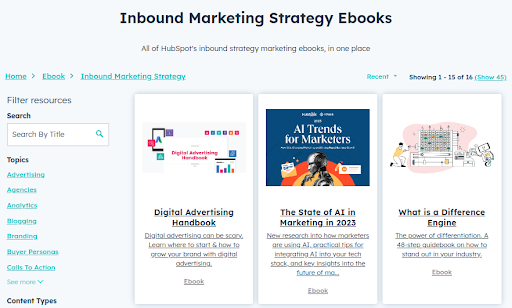
For instance, HubSpot offers many comprehensive eBooks on inbound marketing strategies that serve as valuable resources for marketers.
If you’re a marketer, you already know what value these guides hold. These resources provide in-depth knowledge on industry topics and establish the brand’s authority in the industry.
2. Social Media Content
Engaging social media posts, stories, and live videos fall under this category.
Take Zomato – a food delivery platform’s example. Their witty, humorous Instagram posts engage audiences and create a distinct brand personality.
Recently, they posted something on Instagram saying ‘Everyone who comments on this post gets free food tonight’. An easy way out to get a free dinner right? Everyone rushed to the comment section to leave a comment and win this exciting offer, only to be tricked into having the comment section turned off.
These kinds of funny and controversial content pieces spark conversations and shares among users.
3. Infographics
Infographics are visual representations of data or information, making complex data more digestible.
According to Social Media Examiner, 32% of marketers believe visual images are the most important form of content for their business, followed by blogging (27%).
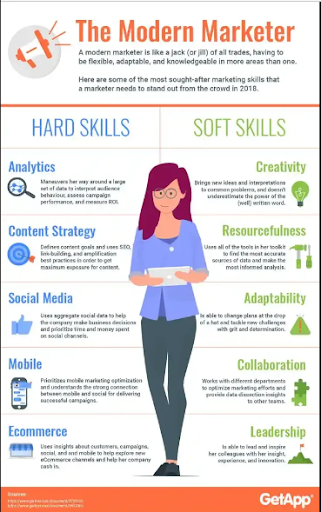
Source: HubSpot
The above infographic is a great example. Instead of going crazy with verbose content, this graphic provides clear knowledge of the skills required to become a modern marketer. Content marketing through infographics can help simplify complex topics into visually appealing and reader-friendly content.
4. Blog/ Articles
Blogs are versatile, serving as educational, entertaining, or informative articles. To ensure your articles stand out, crafting compelling headlines is essential.
HubSpot reported that by updating and republishing old blog posts with new content and images, they saw an average of 106% increase in organic traffic.
Blogging is a great way to share personal views and insights on a particular topic answering queries of the audience. When a person shares personal experiences, it automatically creates a sense of trust and relatability with the author.
5. Video
Video content is another visually attractive category for immensely engaging and versatile content.
Red Bull’s action-packed videos showcasing extreme sports adventures not only entertain but also align perfectly with their brand image of high energy and adrenaline.
6. Podcast
Audio content is ideal for on-the-go consumption.
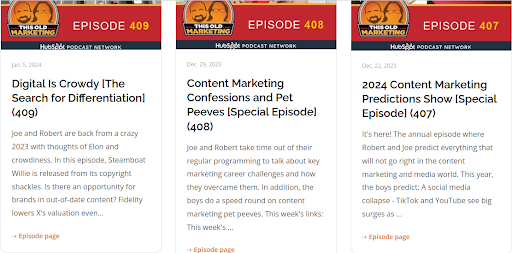
Joe Pulizzi and Robert Rose, big names in content marketing, run a successful podcast called ‘The Old Marketing’. They talk about the newest trends in marketing and share their thoughts on breaking news in the industry. They get into lively discussions, offering complaints and praises that reflect what’s happening in the digital marketing industry.
7. Digital Public Relations (DPR):
Digital Public Relations involves online PR through content creation and distribution.
An excellent example is Airbnb’s “We Accept” campaign. It wasn’t just an ad; it was a public relations move with a strong message that reflected the brand’s values, generating significant media coverage and conversation.
These diverse types of content marketing offer various avenues to connect with audiences, catering to different preferences and consumption habits while serving strategic content marketing objectives, including content syndication, which helps expand reach and visibility.
How Does Content Marketing Work?
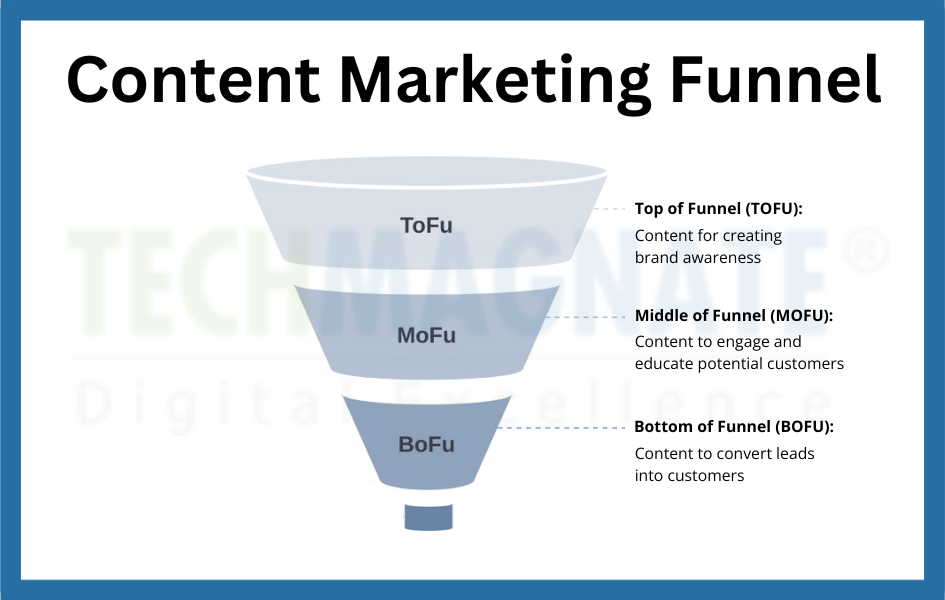
Content marketing operates in three stages:
1. Top of Funnel (TOFU):
At the top of the funnel, the primary aim is to create awareness and attract a broader audience.
The content in this bracket is easily discoverable, engaging, and designed to create interest. For example, blog posts or social media content addressing general industry topics or addressing common points serve as TOFU content.
By providing valuable information without directly promoting products or services, companies can capture the attention of potential customers. An example is HubSpot’s blog posts on marketing strategies, attracting individuals interested in marketing but not yet looking for specific solutions.
2. Middle of Funnel (MOFU):
Moving to the middle of the funnel, the focus shifts to engaging and educating potential customers who are already aware of the problem or need.
Content at this stage aims to provide more detailed information and solutions, nurturing leads further.
For instance, Neil Patel’s advanced SEO guides or Moz’s webinars on SEO tactics cater to audiences looking for detailed information to solve specific problems.
3. Bottom of Funnel (BOFU):
At the bottom of the funnel, the goal is converting leads into customers.
Content here is more focused on showcasing product/service features, offering trials, and demos, or providing testimonials and customer success stories.
It’s about nudging prospects towards making a purchase decision. An example is Salesforce’s customer success stories or Adobe’s free trials that directly target leads who are ready to make a purchase. All you have to do is help them take the final step towards conversion.
By aligning content with these funnel stages, you as a content marketer can strategically guide prospects through the buyer’s journey, addressing their needs at each stage and nurturing them toward becoming loyal customers.
Content Marketing Examples
1. HubSpot: Known for its inbound marketing prowess, HubSpot has mastered content marketing through its educational blogs and resources. They don’t just provide tools; they equip marketers and businesses with a lot of knowledge.
Their blogs cover topics from SEO tactics to social media strategies, offering actionable insights and tips that professionals can apply immediately. One major benefit of SEO they highlight is how consistent optimisation can build long-term visibility and authority. By being a go-to source for industry knowledge, they’ve built trust and loyalty among their aspiring marketers and SEO experts.
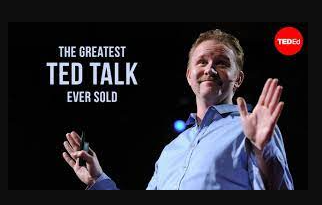
2. TED Talks: These captivating talks have become a global phenomenon, showcasing thought-provoking ideas and inspirational stories.
Image Source: YouTube
TED doesn’t sell a product but rather an experience—intellectual stimulation and emotional connection. They create engaging video content featuring diverse speakers from various backgrounds sharing personal experiences and expertise, they’ve created a platform that attracts millions worldwide.
With the examples, we can see how brands can leverage content not just to sell a product but to create an experience, build a community, and establish themselves as authorities in their respective fields.
Steps to Develop an Effective Content Marketing Strategy
So far, we’ve discussed the fundamentals of content marketing – what is content marketing, the importance of content marketing, funnels of content marketing, and examples of content marketing.
The next section involves putting this knowledge into action!
Follow this 8-step process to create a content strategy that gets customers.
1. Target Audience Identification
Understanding your audience is a paramount step for any digital marketing strategy. It involves analyzing demographics, behaviors, and preferences to create content that resonates. For instance, Nike’s targeted marketing campaigns vary based on demographics and behaviors, ensuring their content appeals directly to each segment of the target audience.
2. SMART Goal Setting
Setting SMART (Specific, Measurable, Achievable, Relevant, Time-bound) goals ensure the clarity and effectiveness of a campaign. For example, a SMART goal for content marketing could be: “Increase organic website traffic by 30% within six months” or ‘Generate 100 leads every month.’ Goals like these are specific, measurable, achievable, relevant, and time-bound.
3. KPI Determination
Identifying Key Performance Indicators (KPIs) for your strategy gives a clear understanding of what to track and evaluate for success. KPIs could include metrics like website traffic, conversion rates, engagement, or lead generation. Techmagnate as a leading content marketing agency emphasizes the importance of aligning KPIs with overarching business goals.
4. Content Type Selection
Choosing the right content types is also crucial to align with goals and audience preferences, especially through effective content curation for SEO. For instance, if targeting a visually oriented audience, investing in videos or infographics might yield better results than text-heavy content.
5. Channel Choice
Identifying platforms where the audience actively engages ensures content reaches the right people. I’d suggest analyzing where your target audience spends time online—whether it’s social media platforms (like Instagram, X, LinkedIn, etc), industry forums, or niche communities—to make informed channel choices.
6. Budgeting
Allocating resources effectively is an essential step in your content marketing success. While writing and publishing content is an efficient process, video production or conducting webinars, and podcasts can cost a little. What you can do is allocate a budget based on the chosen content types and distribution channels.
Make sure that the budget aligns with your goals and yields ROI.
7. Content Schedule
Remember the secret sauce mentioned in the earlier section. Consistent and strategic content publishing maintains audience engagement. Most content marketing agencies create a content calendar aligning with audience preferences and platform algorithms. This calendar makes the execution process hassle-free on what day and what to post, as everything is planned.
8. Creation, Distribution, and Analysis
The cycle of content marketing involves producing content, sharing it across chosen channels, and measuring its impact. But how do you check if it’s working for the brand?
You can use tools like Google Analytics, social media insights, and CRM systems to aid in analyzing content performance against established KPIs. You can check if your content is getting the desired results through impressions, clicks, bounce rates, conversions, and sales.
By comprehensively addressing these aspects, you can optimize your strategy backed by data and insights for more leads and customers, while staying updated with the latest content marketing trends can enhance your strategy.
AI for Content Marketing: The Strategy and Creation Future
Artificial Intelligence (AI) is transforming the way brands strategize, produce, and distribute content. With AI tools, marketers are able to make their content strategies brighter, data-centric, and scalable.
Here’s how AI enhances content marketing:
Content Ideation and Strategy: Tools such as ChatGPT, Jasper, and MarketMuse assist in discovering trending topics, keyword opportunities, and content clusters. This allows brands to strategize better.
Personalization at Scale: AI facilitates dynamic content personalization, adapting content across various audience segments by behavior, preference, and purchase intention.
SEO Optimization: With AI-powered SEO software like Clearscope, SurferSEO, and Semrush AI, marketers are able to optimize content to align with search intent and relevance.
Content Creation and Editing: Generative AI tools assist in writing blogs, social posts, ad copies, and video scripts. It minimizes manual effort while maintaining consistency.
Performance Analysis: Analytics software powered by AI monitor engagement rates and forecast content that will work best in upcoming campaigns.
Example: Netflix and HubSpot utilize predictive analytics and AI-driven content suggestions to enhance engagement and retention.
Best Content Marketers to Follow on LinkedIn and Twitter
Sarvesh Bagla (@sarveshbagla): Sarvesh Bagla, the founder of Techmagnate, is a digital marketing maven with a knack for sharing practical content marketing strategies. With over two decades in the industry, his expertise spans SEO, content creation, and social media marketing, making his insights valuable for brands and marketers.
Ann Handley (@MarketingProfs): Ann Handley is a content marketing pioneer known for her expertise in writing and digital marketing. As the Chief Content Officer of MarketingProfs, she shares pearls of wisdom on creating compelling content and crafting engaging narratives. Her wit and knowledge make her a must-follow for anyone in the content space.
Joe Pulizzi (@JoePulizzi): Often dubbed the “Godfather of Content Marketing,” Joe Pulizzi is the founder of Content Marketing Institute and has been a driving force in the industry. His insights into content strategy, audience building, and monetization are unparalleled. He’s a go-to source for anyone looking to navigate the world of content marketing.
Following these industry veterans on LinkedIn and Twitter can provide a goldmine of insights, strategies, and trends that will undoubtedly skyrocket your content marketing game.
Conclusion
In a nutshell, content marketing is more than just creating websites. It’s about telling stories that connect, teach, and make people take action. By blending storytelling with smart data, you can set the stage for strong brand journeys and lasting connections with your audience.
As a leading content marketing agency, we understand what it takes to create impactful brand stories that connect with audiences and drive measurable results.
Let’s create stories that grab attention, teach, and get results together.
Frequently Asked Questions (FAQs)
What is content marketing?
Content marketing is a strategic marketing approach of creating and distributing valuable, relevant, and consistent content to attract and retain an audience, ultimately driving profitable customer action.
How does content marketing differ from traditional advertising?
Unlike traditional advertising, which often interrupts the audience, content marketing provides value and information, building trust and building long-term relationships with the audience.
Can content marketing work for small businesses?
Yes, content marketing is particularly effective for small businesses as it allows them to compete with larger companies by providing valuable content that resonates with their audience.
How can I measure the success of my content marketing efforts?
Content marketing success can be measured through various Key Performance Indicators (KPIs) such as website traffic, engagement rates, lead generation, and conversion rates.
Is content marketing a one-time effort or an ongoing process?
Content marketing is an ongoing process that requires continuous creation, distribution, and optimization of content to remain effective and relevant.
What are the 7 steps of content marketing?
Set Goals – Define what you want to achieve.
Know Your Audience – Understand their needs.
Plan Your Content – Choose topics and formats.
Create Quality Content – Make valuable and engaging content.
Distribute Effectively – Share on the right channels.
Engage & Interact – Respond to your audience.
Measure & Improve – Analyze and refine your strategy.
What are the 5 C’s of content marketing?
Clarity – Keep your message clear and simple.
Consistency – Post regularly for better engagement.
Creativity – Use unique and engaging ideas.
Customer-Centric – Focus on audience needs.
Conversion – Create content that drives action.
What are the 4 pillars of content marketing?
Strategy – Plan content with clear goals.
Creation – Produce valuable and engaging content.
Distribution – Share content on the right platforms.
Measurement – Track performance and optimize.
How does SEO impact content marketing?
SEO helps content rank higher on search engines, bringing more traffic. It improves visibility, attracts the right audience, and increases engagement. Good SEO practices like using keywords, backlinks, and quality content boost rankings and overall success.
What are the best tools for measuring content marketing success?
Google Analytics – Tracks traffic and user behavior.
Neha Bawa is the Director of Brand Marketing at Techmagnate. She has worked in Digital Marketing since 2012 and has specialised in content creation. She has earned a Master’s degree in Interactive Communications from Quinnipiac University in Connecticut, U.S.A. Her interests lie in creating great content, docs, and working towards sustainability through biodiversity.
Get the most valuable search related insights about leading brands, trending keywords, search volumes, fastest growing categories, city-level insights and much more!
It has come to our notice that fraudulent job offers are being circulated on the internet through messaging apps like WhatsApp and Telegram, which falsely claim to be from Techmagnate. We take this matter seriously and would like to caution all candidates to be wary of such postings.
Please Note That –
We do not charge any fees/security deposit/payment from candidates, irrespective of the professional experience they hold, for job applications or interviews
Official communication channels include our website and verified social media accounts, primarily LinkedIn.
Kindly double-check the domain name – @techmagnate.com – in the email address
We follow a transparent and ethical approach for hiring/onboarding supported by proper documentation.
Ensure that you only apply through verified channels to avoid being scammed. We also recommend that you exercise caution when sharing personal information or financial details with any job posting or recruitment agencies claiming to represent us.
We want to ensure that potential candidates interested in joining Techmagnate have a safe and positive experience.
If you find that someone that fits the description above has reached out to you, please notify us immediately at jobs@techmagnate.com.
 Important Alert:
 Important Alert: